Haoran Sun - Canon R50
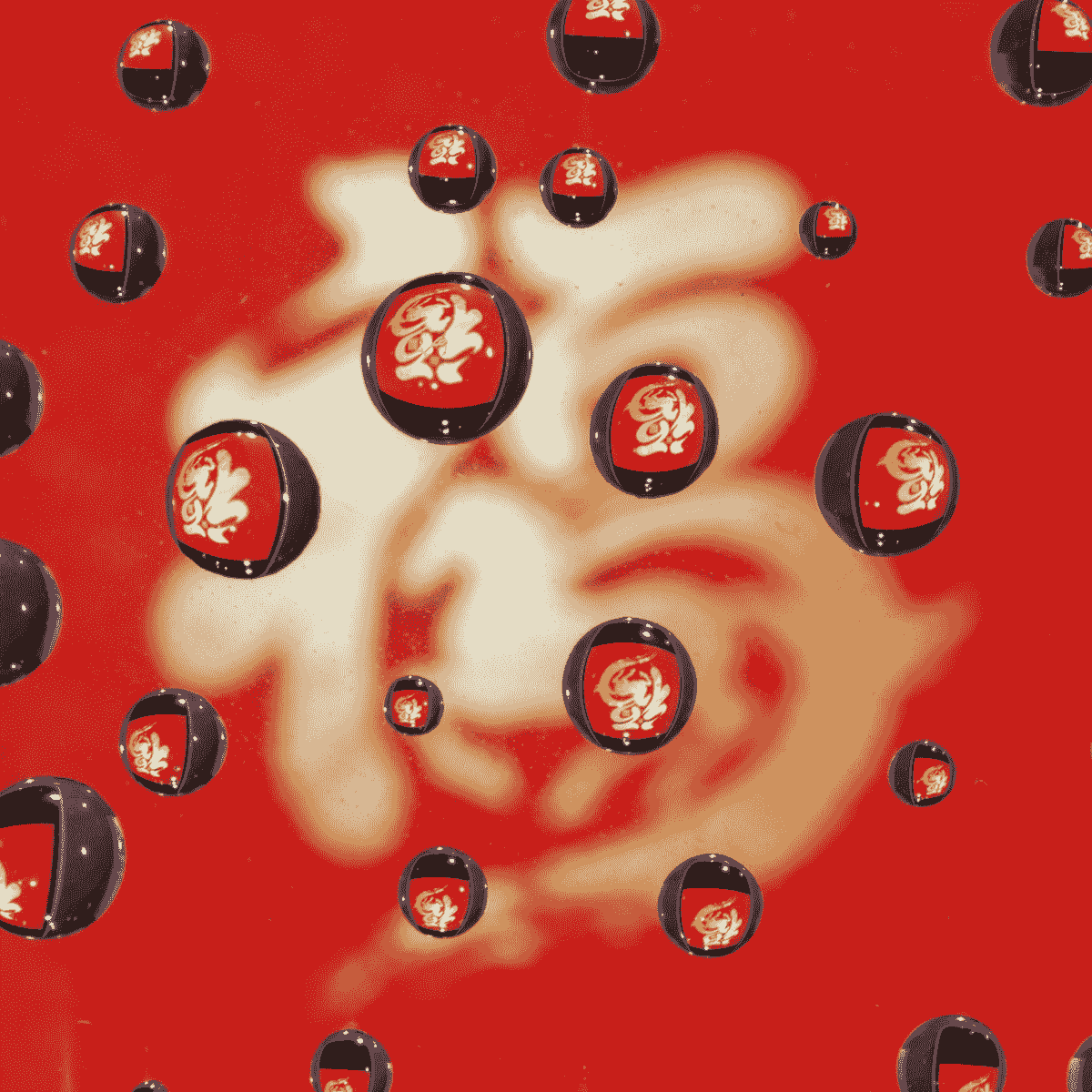
The Arrival of Fortune in a Droplet
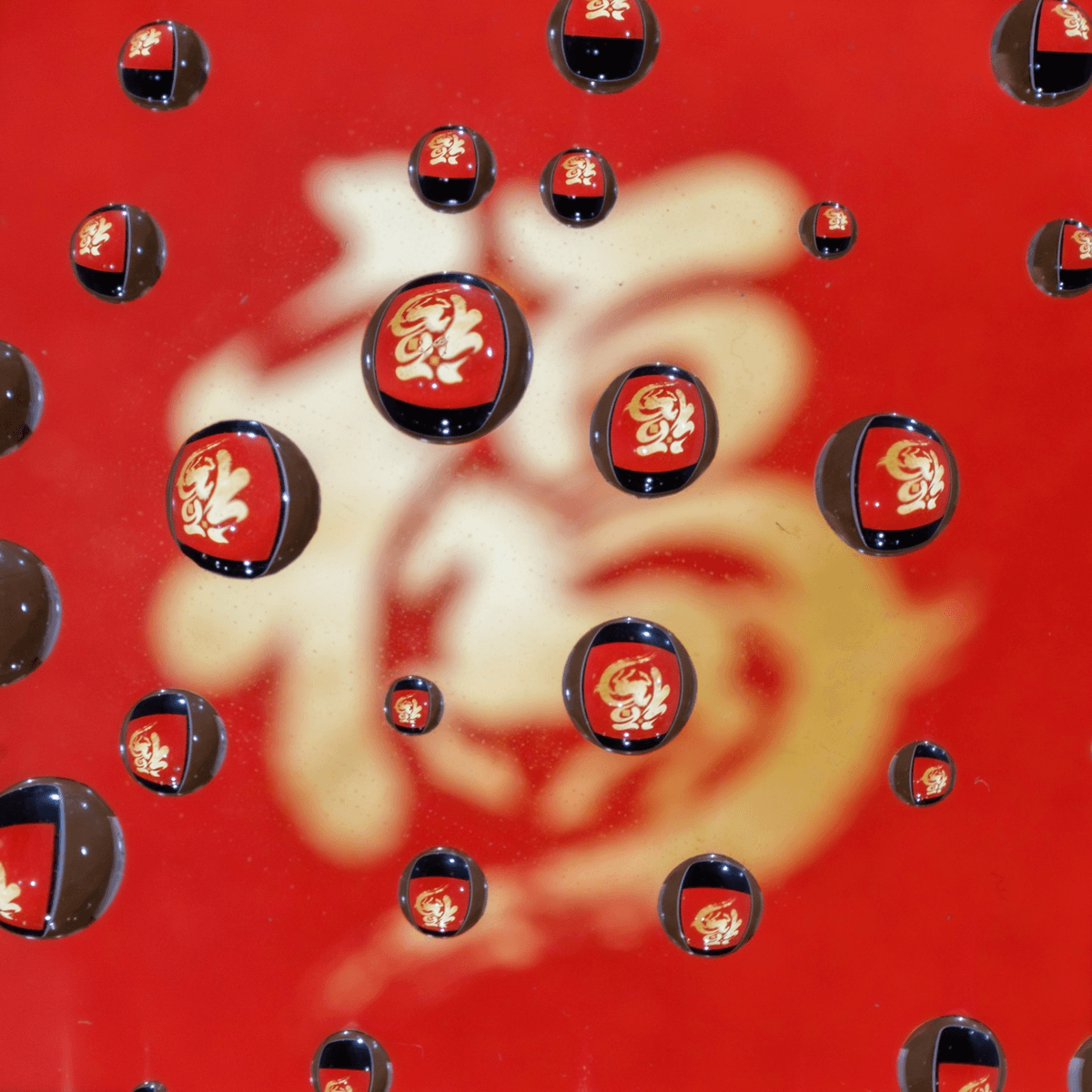
During Chinese New Year, people traditionally paste the character “Fu,” meaning “fortune,” upside down on doors. In Mandarin, “upside down” sounds like “to arrive,” so the inversion declares, “Fortune has arrived.” This photograph recreates the cultural pun through fluid mechanics and optics.
At home, I displayed an upright “Fu” on a smartphone beneath a tempered-glass screen protector sprinkled with water. Using a digital camera, I photographed the droplets at close range and focused on them manually. The protector’s oleophobic coating reduces water adhesion, allowing cohesion and surface tension to form rounded droplets that act as tiny convex lenses. As light from the screen passes through each droplet, it refracts. Since the screen lies beyond twice the droplets’ focal length, the rays form real, inverted, diminished images. Physics therefore turns “Fu” upside down within every droplet, naturally expressing the traditional blessing.
Xitong Dong - iPhone 17 Pro
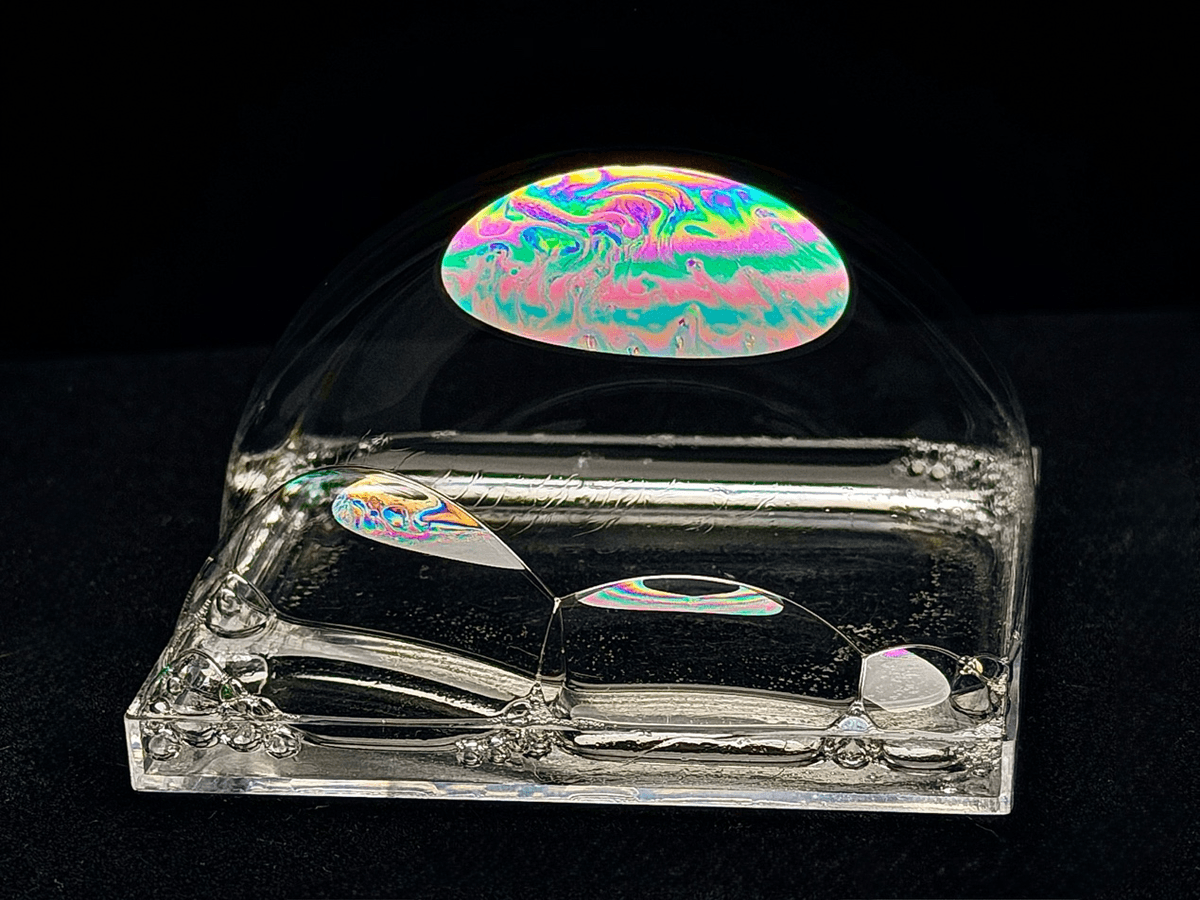
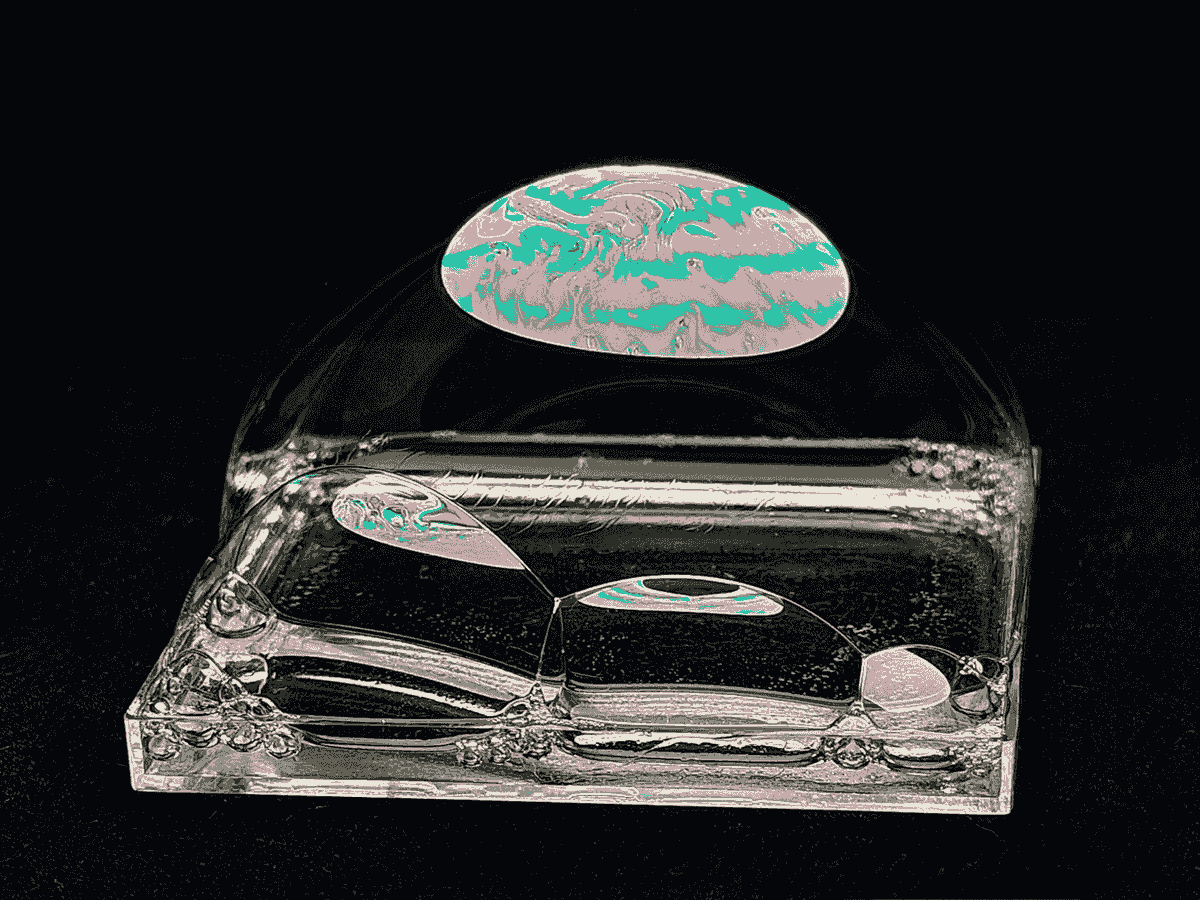
Do you see a swirling iridescent planet hiding right on an ordinary soap bubble? It’s not a space snapshot—you can recreate it at your kitchen sink! Those dreamy colors come from thin film interference. When white light strikes the soap film, constructive and destructive wave interferences amplify or weakens specific wavelengths. As liquid flows slowly, shifting thickness makes vibrant patterns drift like currents on a faraway planet. To achieve this stable and vivid effect, I crafted a secret recipe of dish soap, glycerin, and sugar to increase viscosity and surface tension, extend the bubble’s delicate lifespan, and generate rich hues through the subtle thickness gradients. Paired with top lighting against a dark background, the patterns pop brilliantly! Next time a bubble drifts past, pause before you pop it. There just might be a tiny, swirling universe gliding across its surface—after all, wonders hide in the most ordinary places.
Dilan Yang - Fujifilm xT50
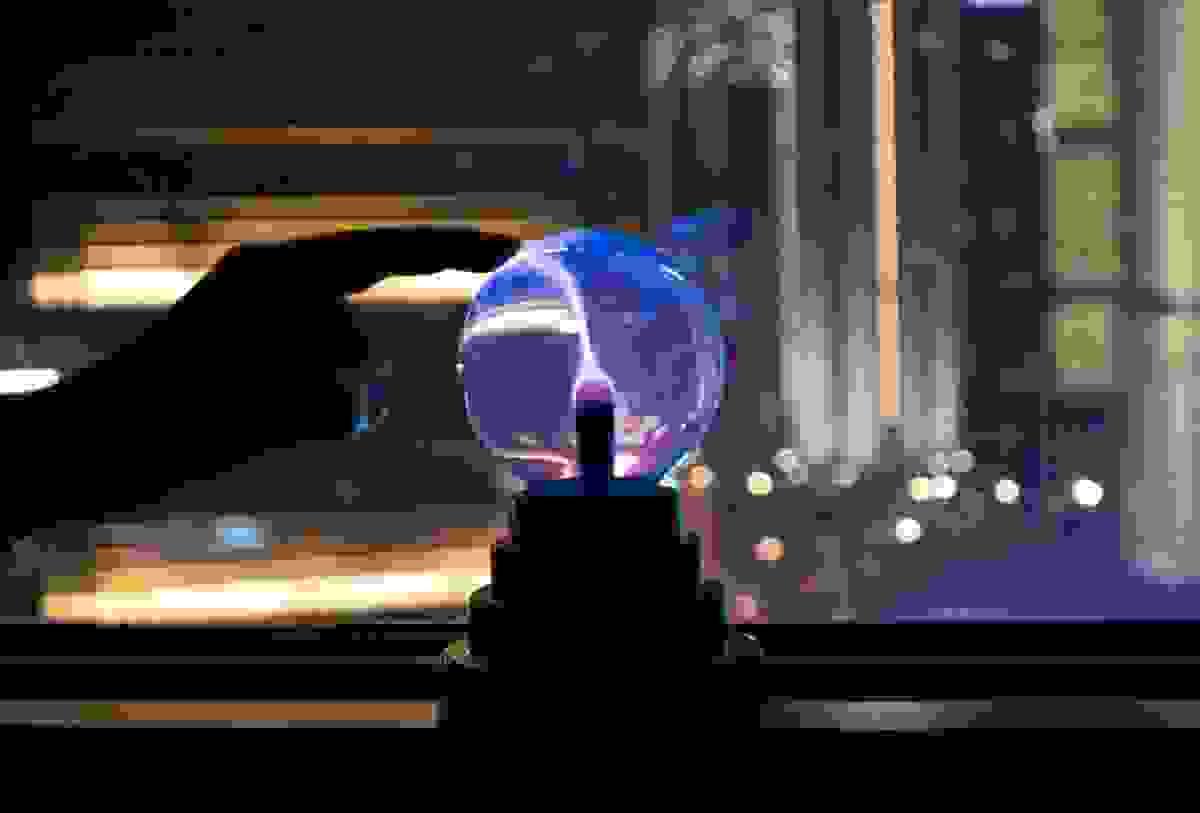
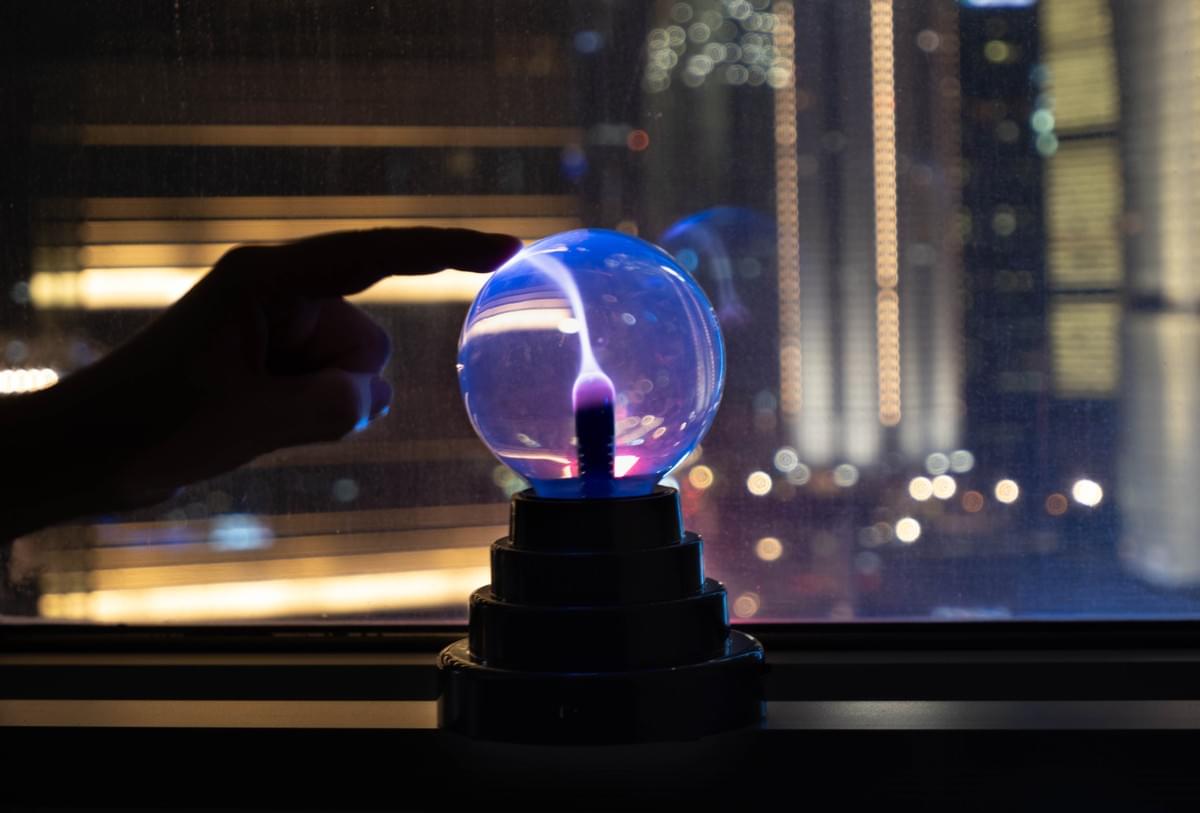
Growing up, I’ve always felt like science was this “big-kid” subject, and I wasn’t smart enough to take part in it. However, contrary to my six-year-old self’s assumption, I was already a part of it.
In the specific case of the plasma ball, my hand acts as a conductor, providing a lower-resistance path for the alternating electric field to couple with the surrounding ground. This makes the electric discharge become concentrated at my hand.
This is shot on a Fujifilm xT50 camera at 125 ISO, an aperture of 5.6, and a 2.0-second shutter. This low shutter allows for the image to demonstrate the strong connection our bodies have to the plasma ball. The low shutter also serves a more technical purpose too. When I was shooting this, the room had to be void of light to be able to capture the light of the plasma ball, which was too dim in regular lighting. The shutter speed, therefore, allows for the image to be brighter and
clearer.